
Thanks for the memory
2022 is done and another year is consigned to memory. Last year was another challenging one for many people. It seems that they all are recently. So, we are looking forward to 2023, which is already shaping up to be a busy one. This year will be our twentieth birthday as a business. That feels like quite an achievement.
We have accumulated quite a few memories during that time. And have probably forgotten even more.
Which might explain why we have been so interested in the subject of memory. And last month, we released a short series of video through the You Tube Channel:
How memory works

The first video introduces a simple model for how memory works. Memory is the process of how you encode new information, so that it can be stored and retrieved when needed. The model consists of three basic types:
- Sensory Memory (or register)
- Working memory (or short term) and
- Long term memory
Some techniques for extending memory are outlined, as well as things to consider when designing and delivering training.
YouTube link: How memory works
The role of perception

Part two explores the brain as a pattern recognition machine. The sensory register sub-consciously sorts inputs into boxes to determine if it is something that will be of interest. If it’s worth remembering. The working memory is influenced by what we can recall and retrieve from long-term memory. As such, we contend that your long-term memory is shaping your view of your environment. Your perception defines your reality. It also influences what you learn. You learn new information when you identify it as directly relevant to your current goals.
New information that does not fit the pattern of what we consider to be correct can be immediately dismissed as wrong. The video summarises how important it is to connect new concepts to previous experience for learning to be effective. Tips for how to do this are included. Sounds like heavy stuff but don’t worry, there are also a couple of optical illusions to have fun with.
YouTube link: The role of perception
Forgetting
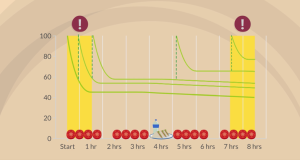
The final video looks at why we tend to forget most of what we are exposed to during training. A topic that I seem rather preoccupied with at the moment.
The video outlines the work of Herman Ebbinghaus and the Forgetting Curve. It suggests that, unless you do something to retain new information, you will forget almost half of it after just twenty minutes. Only around 15% of new information is transferred to long-term memory. However, if we can retain the information for six days, there is a strong likelihood that it will be transferred to long-term memory. Tips for retaining information for longer are suggested. And of course, we take the opportunity to dismiss “Tick Box training” as ineffective.
Another factor that we cover is the serial position effect. That basically means that when you are exposed to a series of inputs, you are most likely to remember the first and last things in the series. What this means for training design and scheduling is explored. We suggest breaking sessions into a series of twenty-to-thirty-minute chunks and creating opportunities to revisit and rehearse key concepts.
The last bit
We think these videos work best when you watch all three. If you only have time for one, we suggest part three. That pulls together themes from all three videos and the Forgetting Curve was the original spark. Thank you to Reena Peshavaria for the inspiration.
If you would like to see us cover off a particular topic this year, drop us a line through the LinkedIn page with your suggestions.