
Video Release – The Value Proposition Canvas
The Value Proposition Canvas is a great way of looking at how you create something that customers want. The value proposition sits at the heart of your business model, yet this is an area where people often struggle. Creating a compelling value proposition is hard to do.
Back in July of last year, we put out a video on our YouTube channel introducing the Business Model Canvas, developed by Strategyzer. We really like their work, so last month we released an overview of their Value Proposition Canvas. This great tool makes the job of creating a good value proposition much easier.
The video can be found here: Optima Training YouTube channel – Value Proposition Canvas.
And as always, there are some words that follow if you prefer a more traditional way of consuming your content.
What is the Value Proposition Canvas?
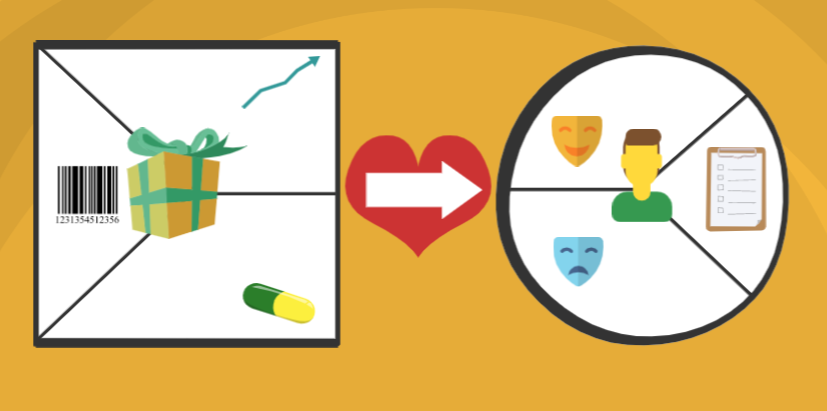
The Value Proposition Canvas helps you to define how you create value for your customers. It places an emphasis on matching products and services to what matters most to your customers. Exploring the fit between your product and the market; how what you offer matches with what is important to the customer. In that way, you align new products and services with the wants and needs of your customer, creating a better market fit and improving your potential for success.
You can also use the canvas to assess your existing products. By comparing existing products to your user needs, you gain insights into how they are a used. As a result, you are able to better position your products in the market or unlock new potential.
How does the Value Proposition Canvas work?
The Value Proposition Canvas has two sides.
The left side is the Value Map and describes how you create value for your customer. This side of your canvas is built around:
- A list of your products and service offerings.
- Gain creators identifies how your products and services add value or make things easier for your customer.
- Pain relievers identifies how your products and services remove pain points for your customer.
On the right side of the canvas is the Customer Profile. It essentially shows the key elements of a Customer Empathy Map. The focus is on the pains and gains associated with what your customer is trying to achieve. It is built around:
- The job that your customer is trying to do.
- Gains, which identifies the benefits and outcomes that your customer is trying to achieve.
- Pains, which identifies those things that get in the way of your customer doing the job.
That job can be either in work or in their personal life. It could be a need they are trying to satisfy, a problem they are trying to solve or a task they need to complete. The pains can be anything that annoys your customer before, during or after the job is done. It can even be something that results in a poor outcome or prevents the job from being completed at all.
Ideally, you will have a different proposition of value for each of the different customer segments that you have identified using the Business Model Canvas.
When you identify those pains and gains that matter most to your customers and match them to the gain creators and pain relievers of your offering for that segment, you will have created a value proposition that your customers will care about and are more likely to want.
Learning Zone
If you have access to our Learning Zone, check out the additional video guides. They provide step-by-step instructions on how to use both the Value Map and the Customer Profile. A final video shows how to assess the fit between them in order to construct a compelling value proposition. The Learning Zone is our primary channel for delivering online learning and the remote elements of our blended programmes.